
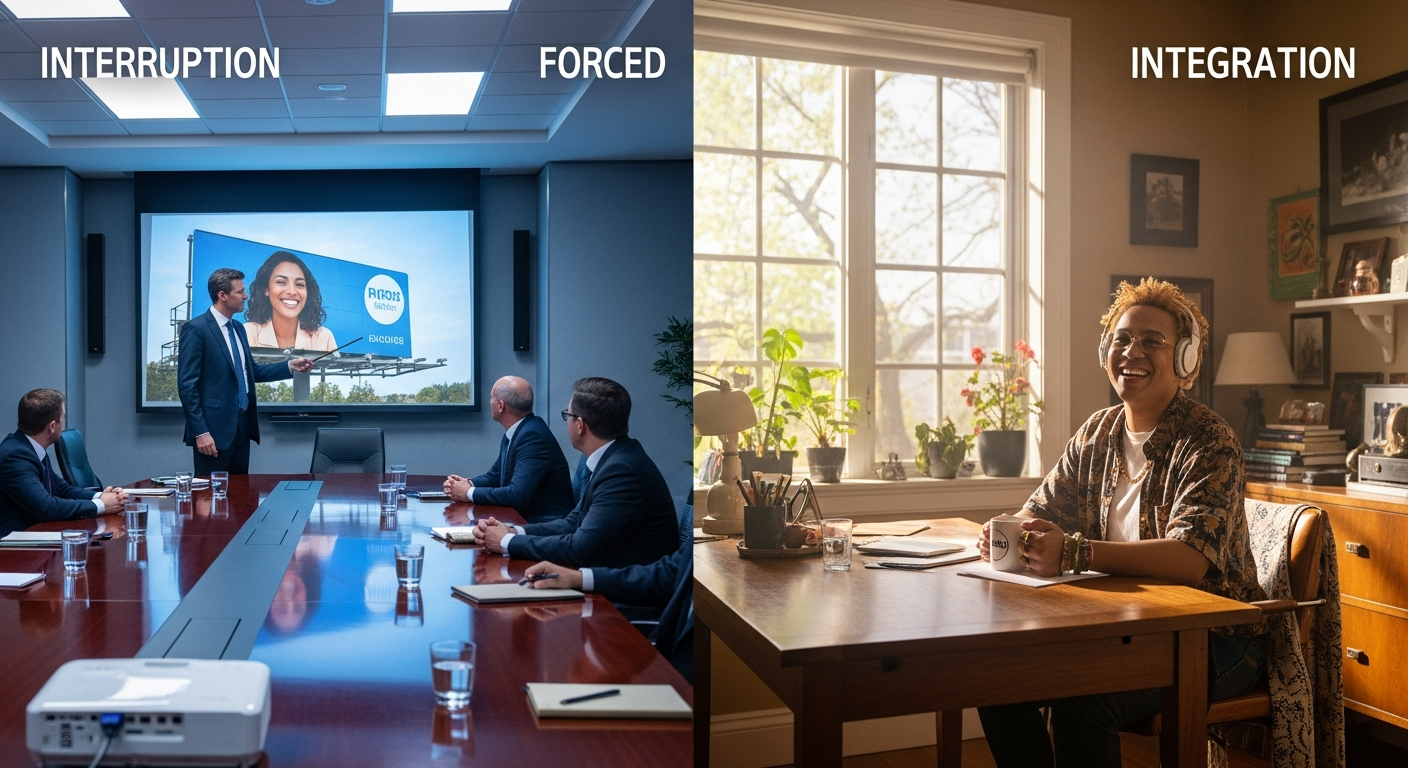
Gone are the days when advertising meant simply renting eyeballs through interruptive commercials. Today’s most effective marketing strategies are built on authenticity, community, and trust, forged through genuine human connection. This shift lies at the heart of creator economy marketing, a fundamental reimagining of how brands reach and engage audiences. It moves beyond transactional sponsorships to form strategic partnerships with individual content creators who have built loyal, active communities. For forward-thinking brands, this isn’t just another channel; it’s a new paradigm for growth, leveraging the unique power of creators to drive awareness, credibility, and sales in ways traditional advertising cannot.
The Core Shift: From Interruption to Integration
Traditional marketing often operates on a broadcast model: a brand creates a message and pays to distribute it to a broad audience, hoping for attention. Creator economy marketing inverts this model. It begins not with the brand’s message, but with the creator’s audience. The value exchange is rooted in the creator’s established credibility and the deep relationship they have with their followers. When a creator authentically integrates a product or service into their content, it doesn’t feel like an ad; it feels like a recommendation from a trusted friend. This shift from interruption to integration is profound. It requires brands to relinquish a degree of control over the messaging, trusting the creator’s voice and understanding of their community. The result is marketing that is native to the platform, whether it’s a detailed tutorial on YouTube, a seamless #OOTD post on Instagram, or an honest review in a TikTok video. This authenticity cuts through the noise of a crowded digital landscape, delivering significantly higher engagement and conversion rates.
Building a Strategic Creator Partnership Framework
Success in the creator economy requires moving beyond one-off campaigns. The most impactful results come from viewing creators as long-term partners, not just vendors. Building this strategic framework involves several key stages. First, alignment is critical. A brand must identify creators whose values, audience demographics, and content style naturally align with its own identity and goals. This goes far beyond basic follower counts; it’s about deep audience resonance. The next phase involves collaborative ideation. Instead of handing a creator a strict script, successful brands provide clear goals and brand guidelines, then empower the creator to develop content that will resonate best with their community. This collaborative spirit fosters more genuine and effective content.
To execute a successful campaign, follow a structured approach that respects both brand needs and creator expertise:
- Discovery and Vetting: Use tools and manual research to find creators. Analyze audience quality, engagement rates, past brand work, and content authenticity, not just vanity metrics.
- Outreach and Relationship Building: Personalize your outreach. Demonstrate you know their work. Frame the partnership as a collaboration, not a transaction.
- Clear Agreement and Creative Brief: Establish deliverables, timelines, usage rights, compensation, and FTC disclosure requirements upfront. Provide a creative brief with goals, key messaging, and mandatory brand elements, but leave ample creative freedom.
- Amplification and Activation: Have a plan to amplify the creator’s content through your own channels (social, email, website). Use trackable links, promo codes, or dedicated landing pages to measure direct impact.
- Measurement and Relationship Nurturing: Review performance against agreed KPIs (engagement, reach, conversions, sentiment). Share results with the creator and maintain the relationship for potential future collaborations.
Compensation models have also evolved. While flat fees are common, many brands are exploring performance-based deals, affiliate commissions, long-term ambassadorships, and even equity or product gifting for nano and micro-creators. The right model depends on your campaign objectives and the creator’s stature.
Key Advantages Over Traditional Advertising
The investment in creator partnerships yields distinct competitive advantages. The most significant is the authenticity and trust transfer. A creator’s endorsement serves as a powerful form of social proof, bypassing consumer skepticism towards traditional ads. This trust directly translates to higher conversion rates, as followers are more likely to act on a peer recommendation. Furthermore, creator content provides a wealth of authentic, high-converting user-generated content (UGC) that brands can repurpose across their own marketing channels, from social feeds to website product pages. This content is often more relatable and effective than polished studio productions.
Another major advantage is access to niche, hyper-engaged communities. Traditional media buys often involve broad targeting with significant waste. Creator marketing allows brands to reach specific, passionate audiences with laser focus, whether it’s vegan bakers, indie gaming enthusiasts, or sustainable fashion advocates. These communities are highly engaged, leading to more meaningful interactions and feedback. Finally, creator partnerships offer unparalleled agility. Compared to the long lead times of traditional ad production, a creator campaign can be conceptualized, produced, and published rapidly, allowing brands to capitalize on trends, product launches, or cultural moments in real-time.
Navigating Common Challenges and Pitfalls
While powerful, the creator economy landscape is not without its challenges. The first major hurdle is measurement and ROI. Attributing sales directly to a specific creator post can be complex, especially for brand-building campaigns. Brands must define clear KPIs upfront, blending quantitative metrics (link clicks, code usage, site traffic) with qualitative ones (sentiment, content quality, audience feedback). Using dedicated tracking mechanisms is non-negotiable. Another critical challenge is maintaining authenticity. The most damaging outcome is a partnership that feels forced or inauthentic, which can harm both the creator’s credibility and the brand’s reputation. This risk is mitigated by thorough vetting for brand alignment and granting genuine creative freedom.
Other practical challenges include scaling programs effectively. Managing dozens or hundreds of individual creator relationships is operationally intensive. Many brands now turn to creator marketing platforms or agencies to help with discovery, contracting, payment, and reporting. Furthermore, the regulatory environment is evolving. Adherence to FTC guidelines on disclosure (like clear #ad or #sponsored tags) is legally required and crucial for maintaining transparency with audiences. Finally, the market is dynamic. Creator rates, platform algorithms, and audience preferences change constantly. A successful brand strategy must be flexible, data-informed, and built on a foundation of respectful, mutually beneficial partnerships.
The trajectory of marketing is clear: it is becoming more human, more integrated, and more community-driven. Creator economy marketing sits at the center of this transformation. By investing in genuine relationships with creators, brands can build trust, drive action, and cultivate passionate communities in a saturated digital world. It demands a new mindset one of partnership over procurement, collaboration over control, and long-term value over short-term clicks. For brands willing to embrace this shift, the reward is a more resilient, authentic, and effective path to growth.